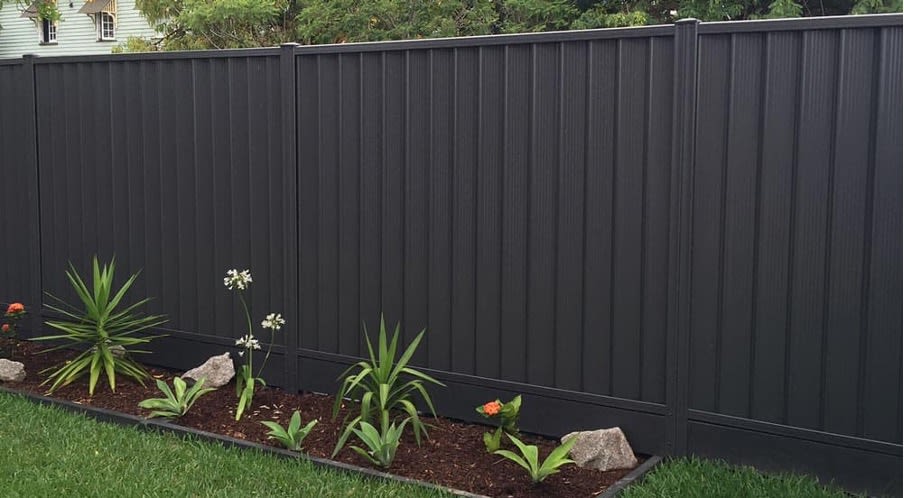
Boundary Fencing

Boundary fencing in the Hunter Valley, Newcastle and Central Coast region must balance privacydurabilitylow maintenance, and legislative compliance. Two of the most common, high-value fencing types in the region are Colorbond steel fencing and Lap & Cap timber fencing.

Here is a clear guide on legislation, compliance, materials and construction considerations.

Relevant NSW Legislation (Dividing Fences Act 1991)

The Dividing Fences Act 1991 sets out responsibilities for neighbours when constructing, replacing or upgrading boundary fencing.

Cost Sharing

  • Neighbours normally share the cost 50/50 for a fence considered “sufficient for the purposes of dividing the properties.”
  • If you want a premium upgrade (e.g., Colorbond instead of timber palings, or Lap & Cap instead of standard paling), you may need to pay the difference unless both parties agree to upgrade.

What Counts as a “Dividing Fence”

Under the Act, these are all acceptable dividing fences:

  • Colorbond / metal fencing
  • Standard paling timber fencing
  • Lap & Cap timber fencing
  • Masonry/block fencing
  • Hedging or vegetation (in certain cases)

Notice Requirements

Fencing Notice must be given to the neighbour before replacing or upgrading a shared fence.
The notice must include:

  • Fence type
  • Height & materials
  • Estimated cost
  • Proposed cost split

Disagreement Procedure

If you cannot agree:

  • Either party may apply to NCAT or Local Court for a Fencing Order.
  • If the fence is dangerous or storm-damaged, urgent works may proceed and costs can be claimed later.
 

Height, Style & Compliance Requirements (Hunter / Newcastle / Central Coast)

General NSW rules for residential fencing:

  • Side & rear fences: Up to 1.8 m without council approval.
  • Front fences: Often limited to 1.2 m–1.5 m, depending on sight-line rules.
  • Fences on retaining walls:
    • Often need engineer certification
    • Height is measured from the bottom of the retaining wall

Estate Covenants

Newer estates in the Hunter Region (e.g. Chisholm, Lochinvar, North Rothbury) may require:

  • Specific Colorbond colours (often Monument, Woodland Grey, Surfmist)
  • Consistent fence height across the estate
  • Approval for timber styles such as Lap & Cap

Fencing Materials – Pros, Cons & Tips (Colorbond + Lap & Cap)

Colorbond Fencing (Highly Recommended)

Colorbond is extremely popular across the Hunter Valley due to its longevity and low maintenance.

Benefits

  • Fire-resistant (ideal for rural-fringe properties)
  • Termite-proof
  • Wind-resistant
  • Long lifespan
  • No painting required
  • Excellent privacy & noise reduction

Construction Tips

  • Always use galvanised steel posts — stronger in clay soils and high-wind zones.
  • Avoid burying panels under soil/mulch (can cause corrosion).
  • Use concrete footings appropriate to soil type (Hunter soils vary from sandy to clay-heavy).

Lap & Cap Timber Fencing (Premium Timber Option)

Lap & Cap fencing offers a more premium look than basic timber paling and is popular in established suburbs and rural areas.

Benefits

  • Visually appealing with clean lines
  • Greater privacy than standard lapped palings
  • Strong and durable when hardwood rails & capping are used
  • Blends well with older or character homes

Construction Tips

  • Use treated pine palings with hardwood rails for best lifespan.
  • Install a protective capping board to shield paling tops from weather and reduce warping.
  • Re-stain or paint every 2–4 years for longevity (investors should consider low-maintenance colour choices).

When Investors Choose Lap & Cap

    • Adds a premium feel for resale
    • Enhances street appeal dramatically
    • Works well on sloping blocks where stepped timber panels look more natural than steel

Drainage & Slope Considerations (Very Important Locally)

The Hunter Region has varied terrain — from flat subdivisions to steep blocks.
Good fencing requires attention to drainage:

  • Ensure water flows away from the fence.
  • Avoid backfilling soil against fence panels.
  • Maintain 50–75mm ground clearance beneath panels.
  • On sloping sites, use stepped panels for compliance and structural integrity.

Poor drainage can dramatically shorten fence lifespan and cause neighbour disputes.

Neighbour Relations & Legal Tips

  • Discuss fence replacement early and agree in writing.
  • Provide a clear written proposal including photos of Colorbond or Lap & Cap options.
  • Use a simple Neighbour Fencing Agreement to avoid misunderstandings.
  • Keep receipts, quotes and notice records — required if disputes escalate.

How Fencing Improves Property Value & Rental Appeal

Quality fencing (especially Colorbond or Lap & Cap) directly improves:

  • Privacy
  • Security
  • Street presentation
  • Acoustic comfort
  • Family/pet suitability
  • Resale appeal

Typical Value Gains

  • $20–$60/week rent uplift for homes with modern fencing
  • 4–7% perceived value increase at appraisal
  • Faster tenant selection and reduced vacancy days
  • Fewer neighbour issues = happier tenants
Share this post
Back to Hints and Tips

Ready to start planning your landscaping project?

Get in touch with the Straight Edge Landscaping team to discuss your site and next steps

Contact Us

CONNECT WITH US